
Voice-over or subtitle?
Written by duckrabbitLast week I gave a presentation of duckrabbit’s work at DFID Pakistan. One of the questions that came up was whether you should use voice-overs or subtitles when someone foreign is speaking in their mother tongue?
Nine times out of ten its a no brainer. The voice is so important.
Its not just what people say but the way they say it.
The eyes might well be a window on the soul but the sound of someone’s voice tells the story of a life lived.
Radio is the most visual medium of all. That’s because when we listen our mind’s eye visualizes what we hear. Much more then we can ever understand we are connected to this world and each other through sound. From the sound of our mothers voices in the womb, to the last rattle of death.
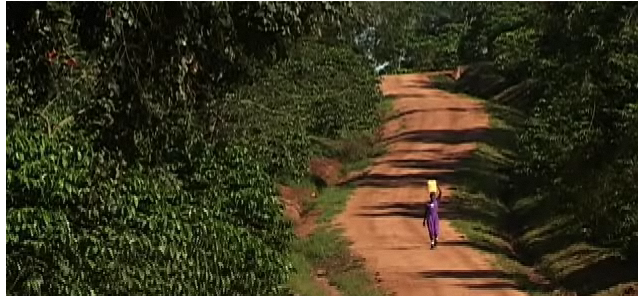
Actionaid have a great example of this running off the front of their website. The short film focuses on a young Ugandan girl’s frustrations at having to spend so much time collecting water each day. Dirty water that she’s forced to drink. The film at times feels a little staged but one thing makes it much more than just your usual begging bowl piece; the voice of the young girl.
Honest, gentle, vibrant, frustrated and most all human, just like you and me. A part of the world, not apart from it.
WORLD HAVE YOUR SAY:
Conor Walsh agrees with duckrabbit:
A very good point, and one that is bypassed by radio producers all too often too.
Much of the reporting from Africa is narrator-heavy, and suffers as a result – it’s a near deadly mix of monotone with lack of authority – why should we believe this (invariably) white and (often) male reporter, so far off their own patch?
When news & current affairs programmes give voice to locals, they get noticed by other documentary and features producers – a fine example is The Mender of Lost Hearts, here: http://www.thirdcoastfestival.org/audio_library_2009.asp
duckrabbit
Thanks Conor. Your absolutely right about monotone drawl. I’ve seen so many audio slideshows destroyed by some print journalist thinking they can just read a bit of copy out and slap it over the photos. I’m sure you’d agree these journalists should spend some time with the BBC programme FROM OUR CORRESPONDENT. (Nice blog by the Conor, glad you found your way to us!)
Are you a photographer wanting to learn how to record powerful audio? If so why not get in contact with us and find out about duckrabbit’s training.

Author — duckrabbit
duckrabbit is a production company formed by radio producer/journalist Benjamin Chesterton and photographer David White. We specialize in digital storytelling.
Discussion (1 Comment)
A very good point, and one that is bypassed by radio producers all too often too.
Much of the reporting from Africa is narrator-heavy, and suffers as a result – it’s a near deadly mix of monotone with lack of authority – why should we believe this (invariably) white and (often) male reporter, so far off their own patch?
When news & current affairs programmes give voice to locals, they get noticed by other documentary and features producers – a fine example is The Mender of Lost Hearts, here: http://www.thirdcoastfestival.org/audio_library_2009.asp